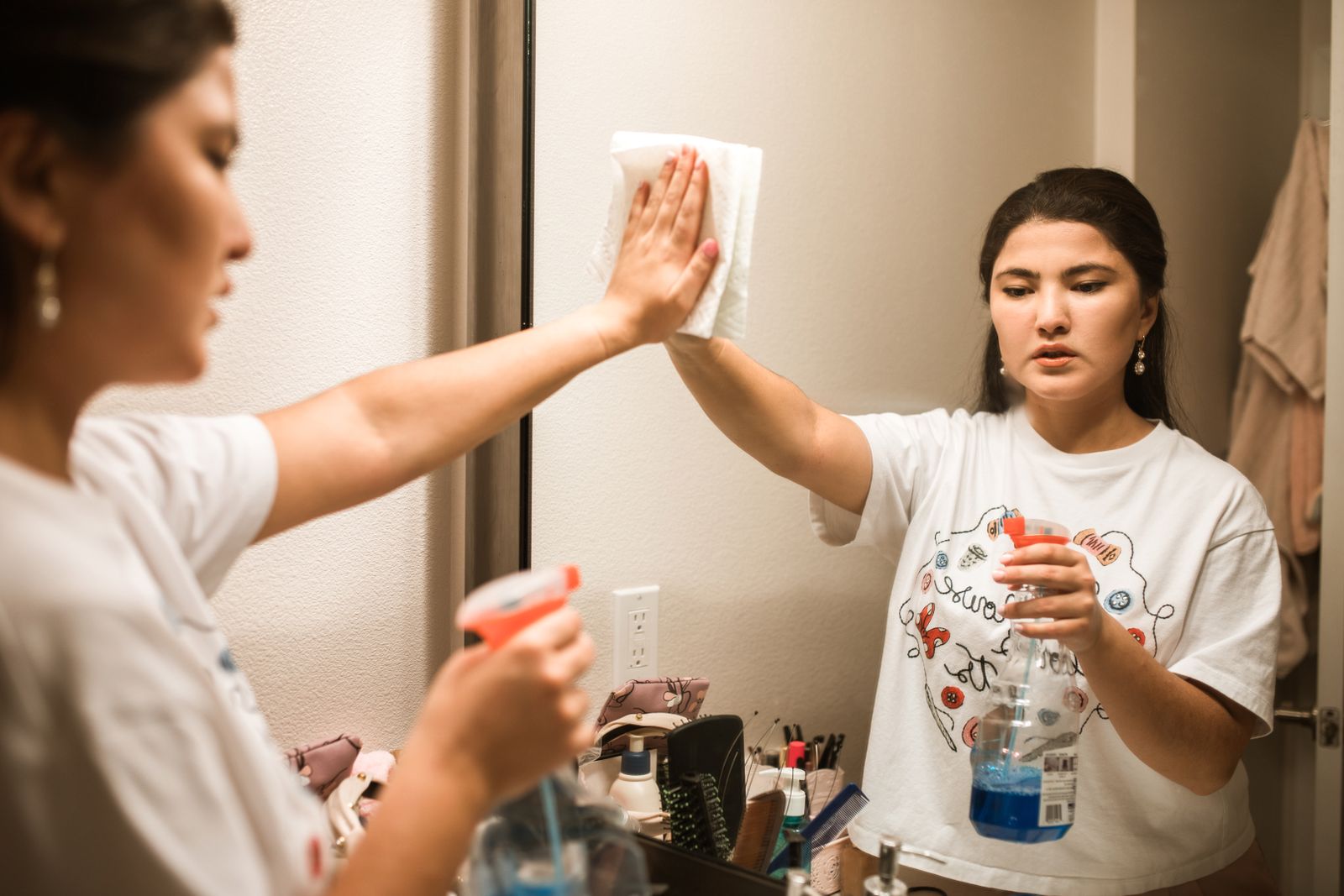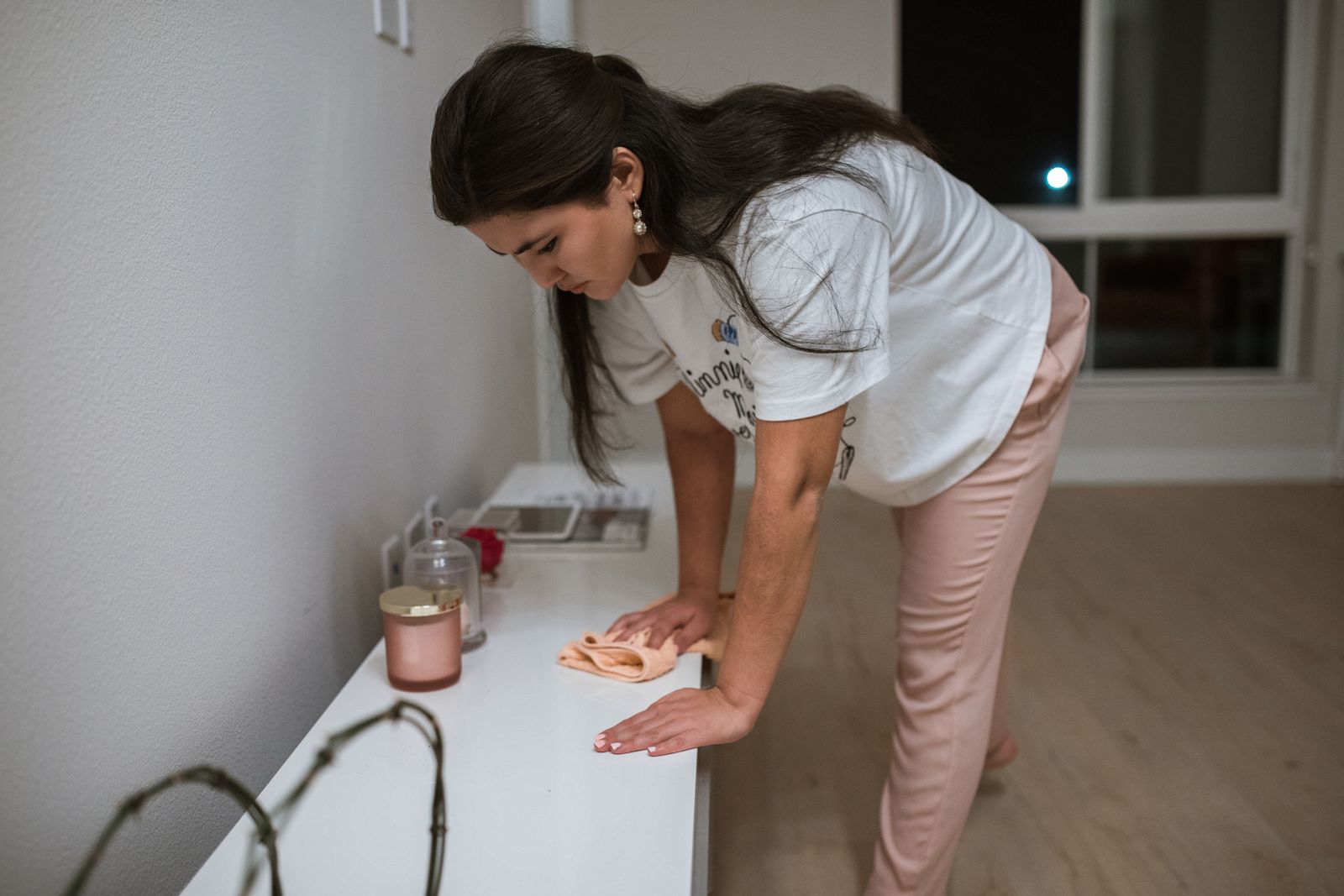
"Eco-friendly" is not a regulated term. Any product can print a leaf on the label and call itself natural. So when we built ClenoVaire’s supply list, we ignored the marketing and audited the chemistry. Here is what we learned, and what it means for your home.
Read the certification, not the label
The certifications worth trusting are third-party and specific: EPA Safer Choice, Green Seal, and ECOLOGO. Each requires independent verification of ingredients, packaging and manufacturing. A leaf icon means nothing; a Safer Choice mark means a chemist reviewed the formulation against a published standard.
The ingredients to avoid
We avoid four categories by default. Quaternary ammonium compounds ("quats") are common in disinfectants and are linked to respiratory irritation. Chlorine bleach is effective but harsh on surfaces, airways and skin. Synthetic fragrance — the biggest culprit behind "cleaning smells" — is often a blend of dozens of undisclosed compounds. And optical brighteners leave a residue that attracts new soil.
None of these are poisons in normal use, but in a home with children, pets or allergy sufferers, the case for avoiding them is strong and the cost of doing so is low.
What actually performs
The honest answer is that most everyday cleaning does not need aggressive chemistry. A pH-neutral surfactant lifts everyday soil from hard surfaces. Citric or acetic acid dissolves mineral scale and soap scum. Isopropyl or ethyl alcohol handles disinfection on high-touch points. Baking soda and a mild abrasive pad deal with most kitchen scrubbing. Microfibre cloths remove the overwhelming majority of soil mechanically — with water alone, in many cases.
Where eco products historically fell short was disinfection. That gap has closed. Accelerated hydrogen peroxide and citric-acid-based disinfectants now carry EPA efficacy claims while breaking down into water and oxygen.
Matching the product to the surface
The most common eco-cleaning mistake is over-application, not under-application. Stone and marble are acid-sensitive, so vinegar etches them. Wood benefits from a damp microfibre wipe rather than a wet mop. Viscose rugs can be permanently stained by water alone. A product being "natural" says nothing about whether it is safe for a specific material.
This is why we assess materials before we choose chemistry. It is also why "we use eco products" is, on its own, an incomplete promise. The right product on the right surface, applied correctly, is what actually keeps a home clean and healthy.
Our default
ClenoVaire uses eco-certified, low-VOC products by default and offers a fully fragrance-free service at no additional cost. If you prefer we use your own supplies, we will follow your lead and note the products in your client file so the same choices are applied on every visit.

Part of the ClenoVaire team delivering documented, eco-friendly cleaning across the Kansas City metro since 2013.